Addington Palace wedding flowers local florist guide
Posted on 04/10/2026
Planning wedding flowers for Addington Palace can feel wonderfully exciting and mildly overwhelming all at once. You are balancing the venue, the season, the colour palette, the ceremony timing, and the practical realities of moving flowers around on the day. That is exactly where this Addington Palace wedding flowers local florist guide comes in. It is designed to help you think like an experienced florist, so you can make confident choices that look beautiful in the room and hold up properly from the first arrival to the last photo.
Whether you are imagining a soft, romantic look with white roses and trailing greens, or something brighter and more contemporary, the right local florist can make a real difference. Addington Palace has a grand, elegant feel, so the flowers need to suit the space rather than fight it. Let's face it, a bouquet that looks lovely on Instagram but falls apart by the vows is not much use to anyone. Below you will find practical advice, common mistakes, realistic planning steps, and local-florist know-how that makes the whole process calmer.
Why Addington Palace wedding flowers local florist guide Matters
Wedding flowers do more than decorate a space. At a venue like Addington Palace, they shape the atmosphere the moment guests walk in. They frame the aisle, soften the ceremony setting, lift the reception tables, and help the whole day feel intentional rather than improvised. That matters because a historic or formal venue often has its own visual language. You are not just buying flowers; you are editing the room.
A local florist understands that the venue, the roads, the setup windows, and even the weather can affect the plan. That local knowledge saves time and, in many cases, saves mistakes. For example, if delivery timing is tight and access is awkward, a florist who regularly works in the area will already be thinking about loading, parking, and the safest order for setting everything out. Small detail, big difference.
There is also a design advantage. Local florists often know which styles photograph well in bright morning light, which arrangements need extra structure for warmth indoors, and how to keep petals looking fresh during a long ceremony and reception. That kind of practical judgement does not come from a pretty mood board alone. It comes from experience.
Expert summary: The best Addington Palace wedding flowers are the ones that match the venue, suit the season, travel well, and are realistic to install on the day. A local florist can usually balance those four things better than a supplier working blind.
How Addington Palace wedding flowers local florist guide Works
The process is simpler than most couples expect, but it does need a bit of structure. Usually, you begin with the style of the day, then move into venue-specific requirements, then refine the flower list and logistics. In other words: look, then function, then timing. If you reverse that order, the whole thing can get muddled very quickly.
At Addington Palace, you are likely considering a mix of bridal flowers, bridesmaid bouquets, buttonholes, ceremony arrangements, and table flowers. Some couples also want pedestal displays, church-style designs, or floral touches for the staircase or entrance. The exact package depends on the venue access and the flow of your day. A local florist will usually ask about arrival time, where the flowers need to be placed, and whether anything needs to move from ceremony to reception. That last one matters more than people think. One arrangement can sometimes do two jobs if planned properly.
Local florists also tend to work in a more hands-on way. They may offer consultation photos, colour swatches, sample stems, and seasonal substitutions. If your first choice flower is not ideal for the month, a good florist will suggest something that gives the same feel without becoming a logistical headache. The aim is not perfect control. The aim is a beautiful result that is actually deliverable.
If you are also exploring broader wedding flower styles, it can help to browse a dedicated collection such as wedding flowers or a focused bouquet option like bridal bouquets and then build the rest of the design from there.
Key Benefits and Practical Advantages
Working with a local florist for Addington Palace wedding flowers brings several benefits that are easy to overlook until you are deep into planning.
- Better timing: A nearby florist is usually better placed to manage delivery windows and last-minute adjustments.
- Venue fit: They are more likely to understand the scale, lighting, and layout of the space.
- Seasonal advice: They can suggest blooms that are more dependable for your wedding date.
- Less stress: Fewer delivery variables means fewer things to worry about on the morning.
- More flexible design: If something needs to be tweaked, a local team can often react faster.
There is also a financial angle, though it is worth being sensible about it. Local does not automatically mean cheaper, but it often means better value because transport, handling, and communication are easier to manage. A florist who knows the venue can also help you avoid paying for unnecessary duplication. For instance, a ceremony flower arrangement might be repurposed as a reception focal point with a little advance planning. That is the kind of practical thinking couples really appreciate once the budget starts to bite.
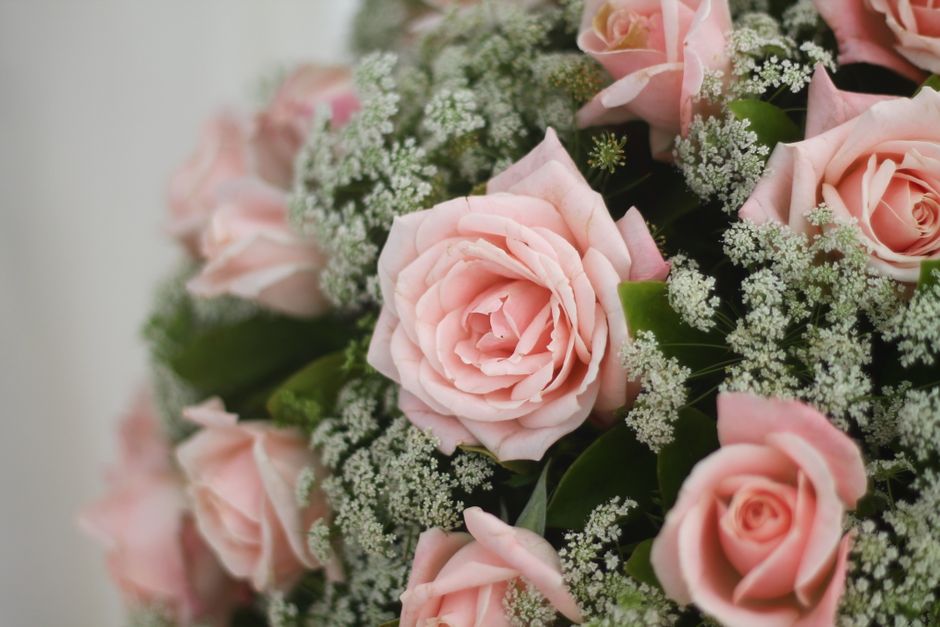
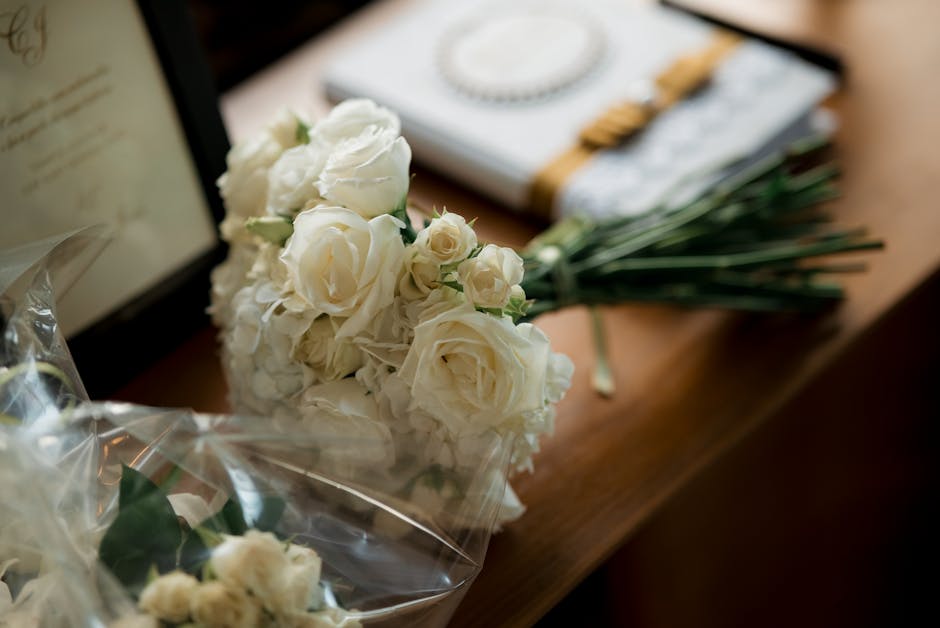
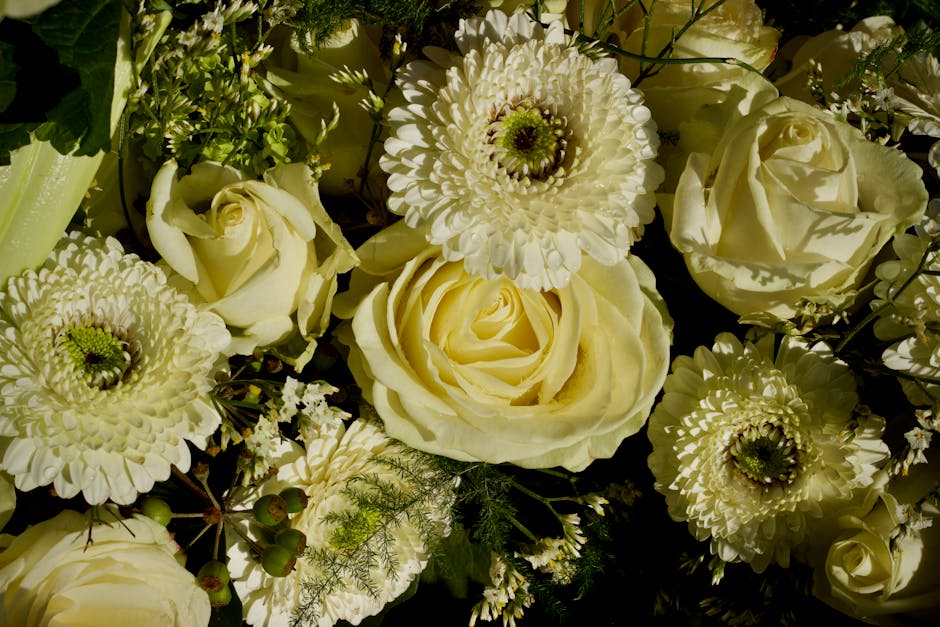
If you are looking for something elegant but not overly fussy, styles from the luxury flowers range or a classic white-focused look from white flowers can be a strong starting point. If you want colour, you can shift the mood with mixed colours or something softer and romantic like pink flowers.
Who This Is For and When It Makes Sense
This guide is for couples who want flowers that feel polished, venue-appropriate, and low-drama. If you are planning a formal celebration, a smaller intimate ceremony, or a larger wedding with multiple floral touchpoints, you will benefit from thinking through the logistics early. Honestly, even couples who say they are "not that bothered about flowers" usually care more once they see the ceremony space without them. It changes everything.
It is especially useful if:
- You are getting married at Addington Palace and want the flowers to suit the architecture and atmosphere.
- You want a local florist who can respond quickly and knows the area.
- You need help deciding between bridal-only flowers and a full venue design.
- You want your flowers to work hard across the day, not just look pretty for ten minutes.
- You are comparing styles, budgets, and seasonal options.
This also makes sense if you are planning around personal or cultural details. Some couples prefer a quiet, refined palette; others want flowers that feel joyful and bold. Neither is wrong. The key is fit. A florist who listens properly will help you land on something that reflects you, not just the most fashionable option of the month.
Step-by-Step Guidance
- Start with the venue layout. Ask where flowers will be seen most: entrance, aisle, ceremony backdrop, registrar table, reception tables, or staircase areas.
- Choose the overall mood. Romantic, modern, traditional, seasonal, or full luxury. This decision narrows everything else down.
- Set the priority items. Bridal bouquet, bridesmaid bouquets, buttonholes, ceremony pieces, and table arrangements are usually the first to confirm.
- Check the season. Some flowers are naturally more reliable and cost-effective at certain times of year. A good florist will be frank about this.
- Plan the delivery window. Weddings run on timing. Make sure the florist knows when access opens and when the flowers need to be in place.
- Decide what can be reused. Ceremony arrangements can often move to the reception if the design allows it.
- Confirm the finishing details. Ribbon colours, vase style, stem length, boutonniere pins, and transport packaging all matter more than they sound.
A useful rule of thumb: the earlier the floral decisions are made, the more options you keep open. Leave it too late and you end up choosing from what is available, not what is best. Nobody wants that. Especially not on wedding week.
If you want to understand how individual elements work together, it can help to think in layers. The bridal bouquet sets the tone, the bridesmaid bouquets echo it, the buttonholes tie in the wedding party, and the table designs carry the look into the reception. Product pages such as wedding buttonholes, bridesmaid bouquets, and wedding table arrangements can help you visualise those layers.
Expert Tips for Better Results
Here is where a lot of wedding plans get noticeably better. Not more expensive. Better.
- Think in photographs and in real life. A bouquet needs to look good from a distance, in close-up, and in the natural movement of the day.
- Keep one hero bloom and one support bloom. Too many flower varieties can make the design feel busy, especially in formal settings.
- Use foliage deliberately. Good greenery frames the flowers and gives shape; too much makes the whole thing heavy.
- Choose sturdy stems for long days. This is one of those practical details people forget until the evening, when everything is slightly tired-looking.
- Ask what happens if a stem is unavailable. Substitution policies matter. Good florists will explain them clearly.
For Addington Palace, softer whites, blush pinks, and elegant mixed tones usually sit comfortably in a classic setting, while richer colours can work beautifully if the rest of the styling is pared back. If your wedding has a more contemporary feel, a florist can shape the arrangements with stronger lines and cleaner silhouettes. Truth be told, most of the magic lies in restraint. One or two strong ideas, well executed, beat ten half-finished ones every time.
One small but important tip: ask your florist to think about the evening light. Flowers that feel bright and fresh in daylight can look very different under warmer indoor lighting. That is not a problem, just something to plan for.
Common Mistakes to Avoid
Wedding flowers are one of those areas where small errors can snowball. Not dramatic, just annoying. And at a wedding, annoying is enough.
- Booking too late: Popular dates go early, and the best flower choices may become limited.
- Ignoring the season: Asking for out-of-season flowers can push up costs and reduce reliability.
- Overcomplicating the design: Too many colours, textures, and focal points can make the final result feel busy.
- Forgetting transport conditions: Flowers do not love heat, cramped cars, or long waits in the sun.
- Not clarifying setup responsibilities: Is the florist installing arrangements, or just delivering them? Always confirm.
- Leaving the reception plan vague: If table designs are not finalised, the room can feel unfinished.
There is another subtle mistake: designing without thinking about the venue backdrop. A simple bouquet can look stunning in the right room, while a very elaborate arrangement can feel slightly lost if the setting is already ornate. Addington Palace has presence. Your flowers should complement that presence, not shout over it.
Tools, Resources and Recommendations
You do not need fancy software to plan wedding flowers well. A few practical tools are enough.
- Mood board: Use images, colour references, and examples of shapes you like.
- Guest table plan: Helps the florist estimate how many arrangements are needed.
- Venue notes: Write down access times, room names, and any restrictions.
- Seasonal reference list: Keep a simple note of flowers you love and whether they are likely to suit your date.
- Budget range: Be realistic early. It saves everyone time and avoids awkward redesigns later.
Within the site, you can also explore grouped collections to narrow your choices. The weddings collection is a useful starting point for broader inspiration, while specific designs such as a bridal bouquet or matching bridesmaid bouquet show how a coordinated look can be built. If you are thinking about groom and party details, buttonhole options are worth checking too.
For flower longevity after the big day, basic care matters. A florist should give guidance on trimming stems, fresh water, and avoiding direct heat. Simple, yes, but extremely useful. There is no glamour in wilted roses, only regret.
Law, Compliance, Standards, or Best Practice
Wedding floristry is not usually about heavy regulation, but there are still standards and best practices worth respecting. If flowers are being delivered and installed at a venue, the florist should operate safely and communicate clearly about timings, access, and handling. If any floral items involve candles, glass, or other decorative materials, the venue's rules should always come first. That is less about bureaucracy and more about common sense.
In the UK, responsible florists also pay attention to product quality, allergens where relevant, waste handling, and fair communication about substitutions. On your side, it is sensible to confirm terms for deposits, cancellations, and changes in writing. Wedding plans change. Weather changes too. So do guest numbers, sometimes at the last minute, which is mildly annoying but very real.
Best practice is simple:
- Get a written summary of what is included.
- Confirm delivery and setup responsibilities.
- Ask how substitutions are handled.
- Make sure the florist knows any venue restrictions.
- Keep a clear contact person for the wedding day.
If you want a florist who is transparent about service expectations, it helps to review the general site information such as delivery details, payment information, and terms and conditions. Those pages are useful for understanding the practical side of ordering, even if the creative part is what first catches your eye.
Options, Methods, or Comparison Table
There is no single right way to approach Addington Palace wedding flowers. The best method depends on your budget, your timetable, and how much of the styling you want the florist to handle. Here is a simple comparison to make the decision easier.
| Approach | Best for | Strengths | Watch-outs |
|---|---|---|---|
| Bridal-only flowers | Smaller weddings, tighter budgets, minimalist styling | Focused spend, simple planning, elegant effect | The venue may still feel underdressed without a few supporting touches |
| Core package | Most couples | Balanced coverage across bouquet, buttonholes, and ceremony or reception pieces | Needs clear priorities to avoid spreading the budget too thin |
| Full venue floristry | Large or highly styled weddings | Strong visual impact and cohesive design | More coordination, more setup time, more cost pressure |
| Repurposed design | Couples wanting value and flexibility | Flowers work in more than one part of the day | Needs careful planning from the beginning, not as an afterthought |
If you are unsure which route to take, start with the core package and work outward. That gives you a solid base and leaves room for a few beautiful extras if the budget allows. A sensible plan, frankly, beats a grand plan that has to be scaled back at the last minute.
Case Study or Real-World Example
Picture a spring wedding at Addington Palace. The couple wants something elegant, light, and not too formal. They choose a palette of white, blush, and soft green, with a bouquet that feels romantic but not oversized. The ceremony has a central floral arrangement, two buttonholes, and bridesmaid bouquets that echo the same flowers without copying the bride's bouquet exactly. The reception uses a few table arrangements and one larger focal design that can be moved after the ceremony.
What made the difference was not a bigger budget. It was clear planning. The florist knew the venue access time, arranged the installations in the order that made sense, and used blooms that stayed fresh throughout the day. The couple also chose designs that suited the room rather than competing with it. The result felt calm, cohesive, and quietly luxurious. Nothing shouty. Just right.
A different couple with a more colourful brief might choose deeper pinks and richer accents, perhaps using coordinated bouquet and table pieces to make the reception feel warmer as the evening comes in. Again, the point is not the exact flower selection. It is the way each choice supports the venue and the day.
Practical Checklist
Use this checklist before you confirm your wedding flowers. It keeps the conversation focused and saves time.
- Have we chosen the overall style: romantic, classic, modern, seasonal, or luxury?
- Do we know which spaces at Addington Palace need flowers?
- Have we set a realistic budget range?
- Do we know our wedding date and likely season?
- Have we listed the bridal bouquet, bridesmaid bouquets, buttonholes, and table flowers?
- Have we asked about delivery, setup, and collection responsibilities?
- Do we need flowers that can be reused later in the day?
- Have we discussed substitutions in case a flower is unavailable?
- Have we checked venue restrictions or access timing?
- Do the colours work with the dress, suits, stationery, and room styling?
One extra tip: keep a single document with your decisions. Nothing fancy. Just one place for the florist, venue notes, and wedding-day contacts. You will thank yourself later. Probably quite a lot.
Conclusion
Addington Palace wedding flowers should feel elegant, practical, and fully in tune with the day. The best results usually come from a local florist who understands the venue, the timing, and the subtle details that make flowers hold together from the first photo to the final toast. If you plan the style early, keep the design grounded in the season, and make sure the logistics are clear, you will avoid most of the usual stress points.
In the end, the flowers are not just decoration. They help set the emotional tone of the wedding. They welcome people in, soften the room, and make the day feel like it belongs to you. That is the real value here. Quiet, beautiful, and absolutely worth getting right.
Get a free quote today and see how much you can save.
Frequently Asked Questions
What flowers work best for an Addington Palace wedding?
It depends on your season, colour palette, and the overall style of the day. White roses, blush blooms, elegant lilies, orchids, and mixed seasonal flowers often work well because they feel refined and photograph beautifully in formal spaces. A local florist can help you choose flowers that suit the venue rather than overwhelm it.
Do I need a local florist for Addington Palace wedding flowers?
You do not have to use a local florist, but it is usually easier. A florist who knows the area is better placed to manage delivery timings, setup logistics, and any venue-specific quirks. That can save a surprising amount of stress on the day.
How far in advance should I book wedding flowers?
As early as possible, especially for popular wedding dates. Early booking gives you more choice over flowers, design style, and delivery planning. If you leave it too late, you may have fewer options and more substitutions.
Can one florist handle both the ceremony and reception flowers?
Yes, and that is often the most efficient approach. A good florist can design arrangements that transition from the ceremony to the reception, which helps you get more value from the same flowers. It needs planning from the start, though.
How do I keep wedding flowers within budget?
Focus on the highest-impact items first: bridal bouquet, key ceremony pieces, buttonholes, and a few reception focal points. Choose seasonal flowers where possible and ask whether any arrangements can be reused later in the day. Simplicity is often the budget-friendly win.
What should I ask a florist before I book?
Ask what is included, how substitutions work, whether delivery and setup are covered, what happens if a flower is unavailable, and whether they have experience with your venue type. Clear answers now prevent awkward surprises later.
Are seasonal flowers better for a wedding?
Usually, yes. Seasonal flowers tend to be fresher, more reliable, and often better value. They also help your flowers feel natural for the time of year, which is a subtle but important part of good design.
Can the bridal bouquet be matched to bridesmaid bouquets and buttonholes?
Absolutely. In fact, a coordinated look usually feels more polished. The trick is not to make everything identical. The bride's bouquet should lead the design, while bridesmaid bouquets and buttonholes echo the palette and style.
What if I want a very simple floral look?
That works perfectly well. Simple can be beautiful, especially at a venue with strong character. A clean bouquet, a few thoughtful ceremony pieces, and understated table flowers can feel more elegant than a heavily layered design.
How do I know if my flower choices suit Addington Palace?
Think about scale, colour, and formality. Addington Palace has a classic setting, so flowers that are elegant, balanced, and not too visually noisy usually work best. Your florist should be able to explain why a certain arrangement suits the room and where it will sit visually.
Should I ask for a sample or mood board?
Yes, if it helps you feel confident. A mood board, flower reference images, or a sample stem combination can make the design easier to visualise. Just remember that fresh flowers are natural products, so the final result may vary slightly. That is normal, and usually part of the charm.
What is the most common mistake couples make with wedding flowers?
The most common mistake is not giving enough thought to logistics. A beautiful design still needs to arrive at the right time, fit the venue, and survive the day without drama. Flowers are part art, part planning. A bit of both is where the good stuff happens.


